30 Wall Décor Trends Redefining Home Style in 2026
ART AND DESIGN
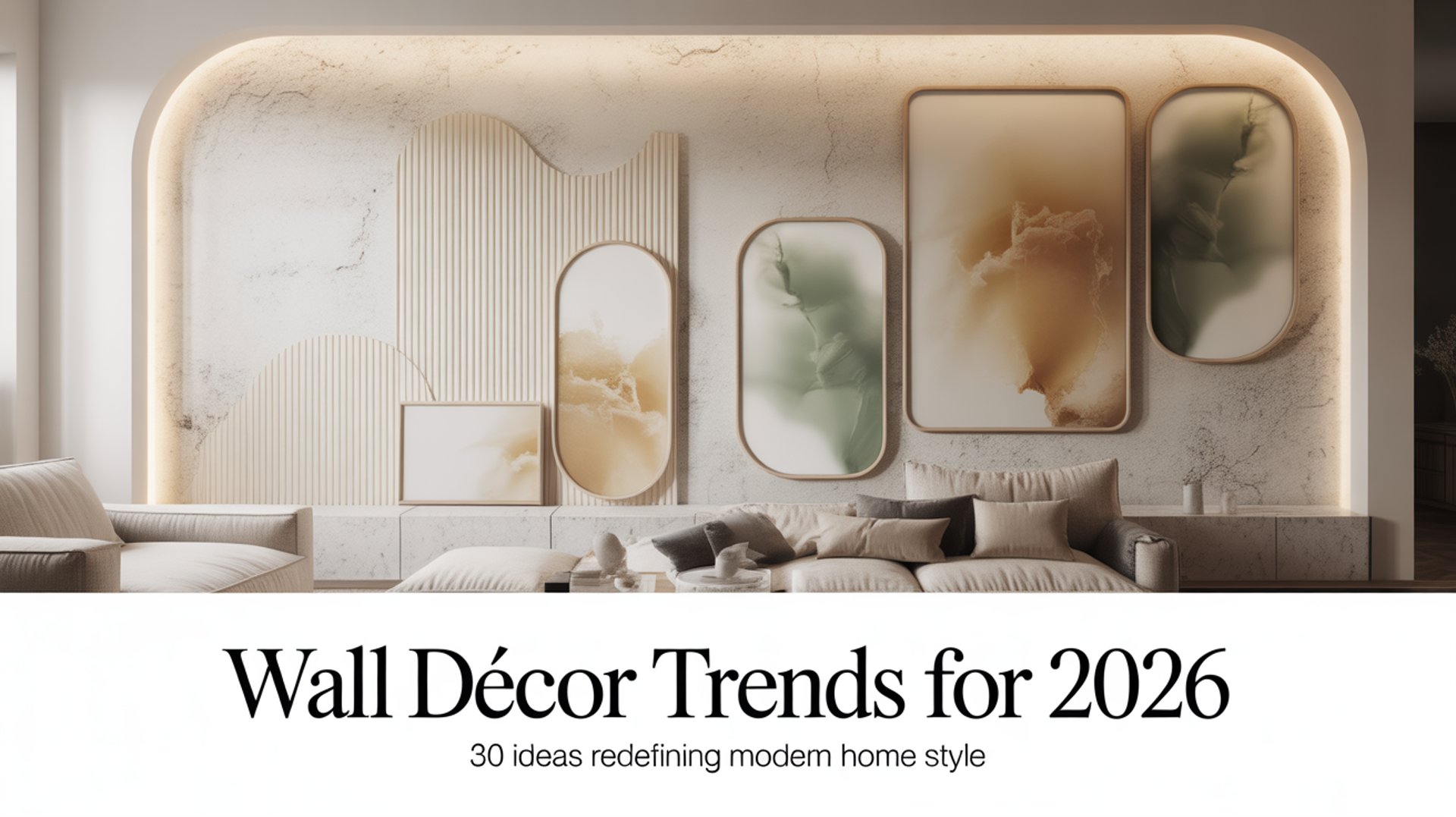
Where material science meets emotional design—and where walls become the most expressive surfaces in the home.
Wall decor in 2026 is entering an entirely new era—one shaped by deeper texture, smarter materials, psychological comfort, identity-driven interiors, and the rise of personalization through technology. Homeowners are moving beyond superficial styling and into immersive, emotionally intelligent design, transforming walls into anchors of comfort, creativity, and self-expression.
This hub guide synthesizes what’s emerging across design studios, material labs, and evolving consumer habits, bringing you the 30 defining wall decor trends of 2026. Use this as your master overview—each of the five sections will serve as a launchpad for deeper blog posts in your ongoing series.
I. Materiality & Tactile Design
Texture becomes the new luxury, and walls become deeply sensory.
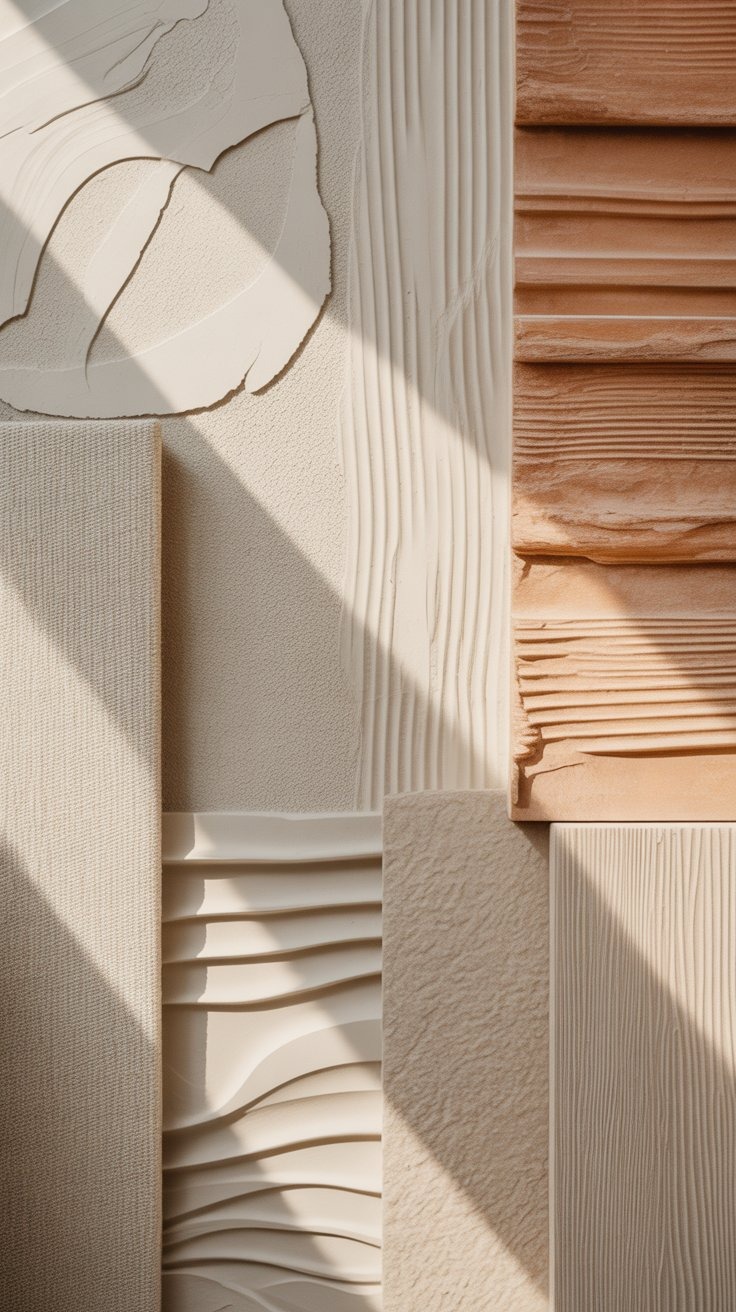
2026 is the year of dimensional walls—a move away from flat, smooth surfaces and into tactile finishes that engage both the eye and the hand. These trends bring softness, depth, and architectural richness to everyday spaces.
1. Wall Decor as Texture and Depth
Subtle plaster, tactile limewash, brushed clay, and micro-raised finishes create an atmosphere that feels warm and grounded. This shift reflects a broader move toward sensory-rich interiors where comfort is felt before it's seen. These surfaces soften acoustics, hide imperfections, and add natural movement to flat walls.
2. Textured Wallpaper Finishes
Wallpaper in 2026 incorporates woven linen textures, stone-like embossing, or jute-inspired finishes that give printed designs a handcrafted feel. These enhanced wallpapers elevate even minimalist rooms and bring quiet luxury without overwhelming the space.
3. 3D Wall Panels
Architectural wall panels made of wood, MDF, polyurethane, or metal introduce sculptural rhythm and dynamic shadow play. Wave patterns, scallops, geometric ridges, and organic reliefs turn walls into art installations. Perfect for accent walls behind beds, in entryways, or in modern living rooms.
4. Metal Art with Embossed Details
Metal wall art becomes more refined through layered construction, embossing, patina finishes, and three-dimensional edges. Brass, brushed steel, and blackened iron add warmth and sophistication, blending beautifully with modern, industrial, or organic decor.
5. Macrame & Woven Textile Revival
Handwoven art continues to grow but shifts toward modern minimalism—neutral palettes, refined knot structures, and natural fibers like cotton, jute, or hemp. Textile wall art brings softness to contemporary spaces and balances the harder materials associated with modern architecture.
6. Infused Acrylic Art
Acrylic becomes a modern medium for homeowners who want crisp, glossy surfaces paired with depth. Think layered inks, metallic swirls, or embedded textures sealed within plexiglass. Acrylic pieces reflect light beautifully and pair well with modern or high-contrast interior styles.
II. Aesthetic & Style Movements
2026 is visually bold, emotionally curated, and culturally blended.
Designers see a merging of nostalgia, minimalism, bold personality, and global influences. The result: walls that tell stories.
7. Intentional Maximalism
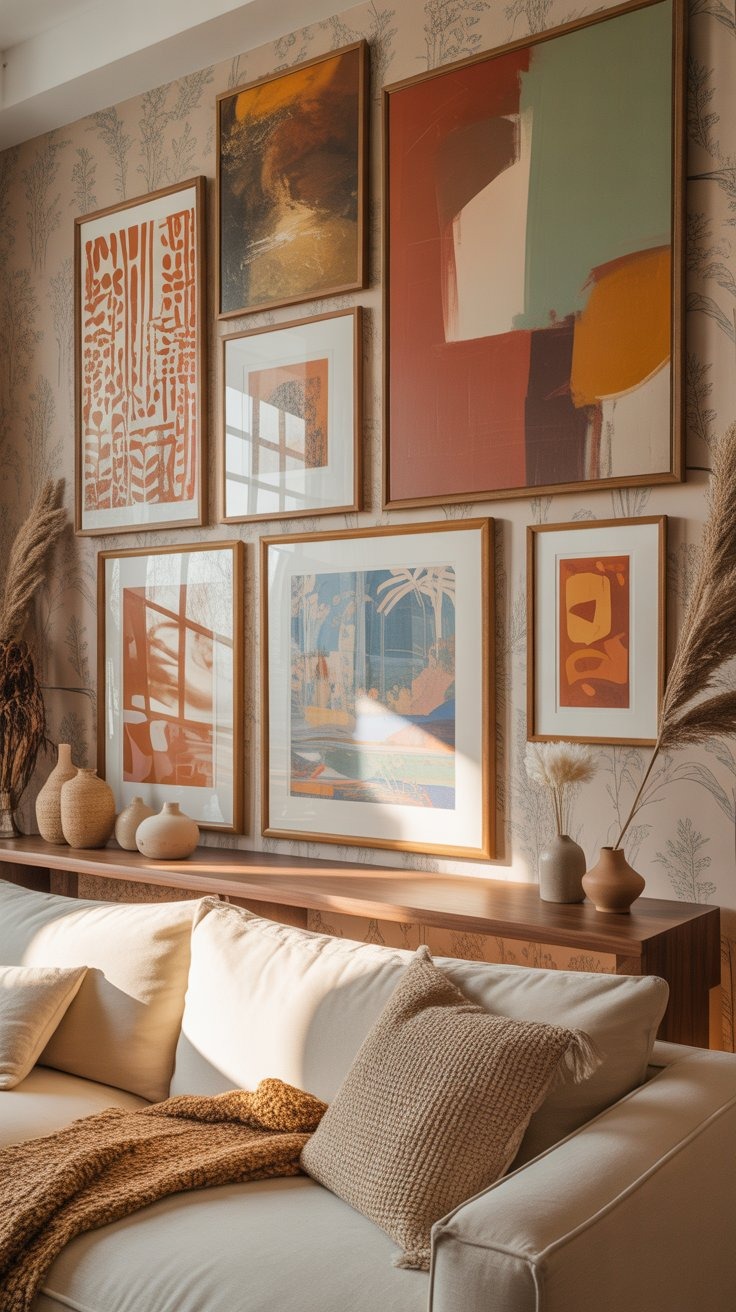
Maximalism evolves into something curated and meaningful. Instead of clutter, it’s about collected layering—mixing art, objects, textures, and colors in a way that celebrates identity. Gallery walls, vintage finds, bold prints, and personal memorabilia combine to create rich, emotionally resonant spaces.
8. Oversized Single Statement Pieces
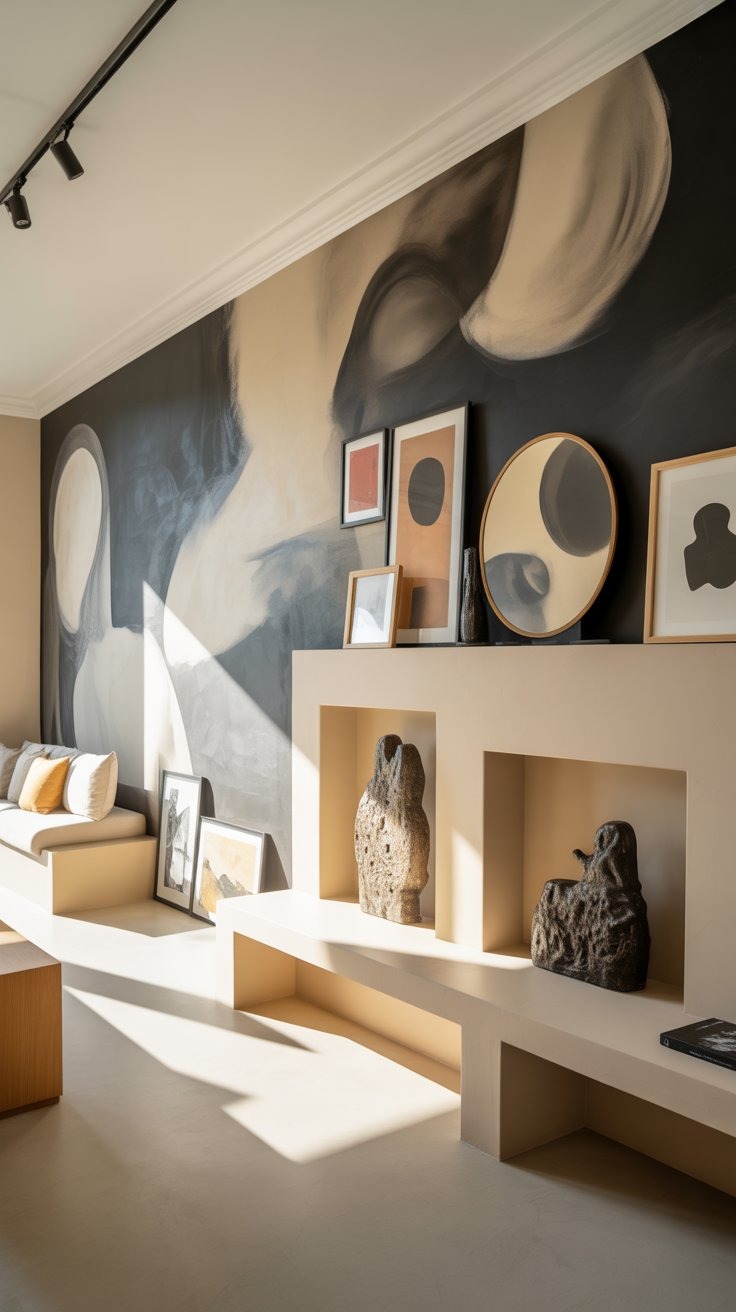
Large-scale art becomes a go-to design strategy. A single massive canvas or print instantly adds sophistication, reduces visual noise, and creates a gallery-like feel. This trend pairs especially well with minimal, modern, and Japandi interiors.
9. Modern Pop Art Revival
2026 sees a polished, contemporary pop art comeback—neon accents, bold outlines, metallic foils, and references to pop culture, nostalgia, and advertising. These pieces inject humor, vibrancy, and contemporary edge into living spaces.
10. Japandi Wallpaper
Japandi continues to dominate, but evolves through soft patterning—linen-like textures, neutral tone-on-tone designs, bamboo-inspired lines, and organic geometric shapes. It's calming, minimal, and timeless, perfect for bedrooms and quiet living zones.
11. '70s Geometric Retro Patterns
Retro goes refined: mustard yellows, warm oranges, chestnut browns, and teal blues reappear in bold geometric patterns. These wallpapers and prints add energy to dining rooms, kitchens, and creative office spaces.
12. Mediterranean-Inspired Artwork
From terracotta villages to olive groves and sea-blue landscapes, Mediterranean wall art brings warmth and escapism. Earthy palettes paired with bright turquoise make rooms feel sunlit, even on cloudy days.
13. Blending Art Styles
Pairing abstract art with vintage posters, modern photography with classical drawings, or minimal prints with bold graphics reflects a shift toward eclectic authenticity. It’s less about matching and more about meaningful contrasts.
14. Textured Illusion Wallpapers
These next-gen wallpapers use ultra-realistic printing to mimic plaster, stone, concrete, or marble—creating the look of high-end materials without construction. Perfect for renters and design enthusiasts alike.
III. Personalization & Wellness
Homes evolve into emotional sanctuaries. Wall art becomes part of self-care.
Well-being is influencing every design decision, and walls are now recognized as tools for supporting mood, identity, and comfort.
15. Authenticity/Identity Decor
Instead of copying trends, homeowners are curating spaces that reflect who they are. Cultural elements, personal collections, and meaningful objects take center stage—turning walls into a visual biography.
16. Mood-Based Decor Selection
Colors, shapes, and art styles are chosen for emotional wellness. Calming neutrals for rest, energizing abstracts for workspaces, grounding earth tones for living rooms. People increasingly ask: How should this room make me feel?
17. AI-Generated Custom Art
AI tools now allow anyone to create personalized prints, murals, and wallpapers—based on text prompts, memories, color preferences, or moods. This brings hyper-personalized, one-of-one artwork into mainstream home decor.
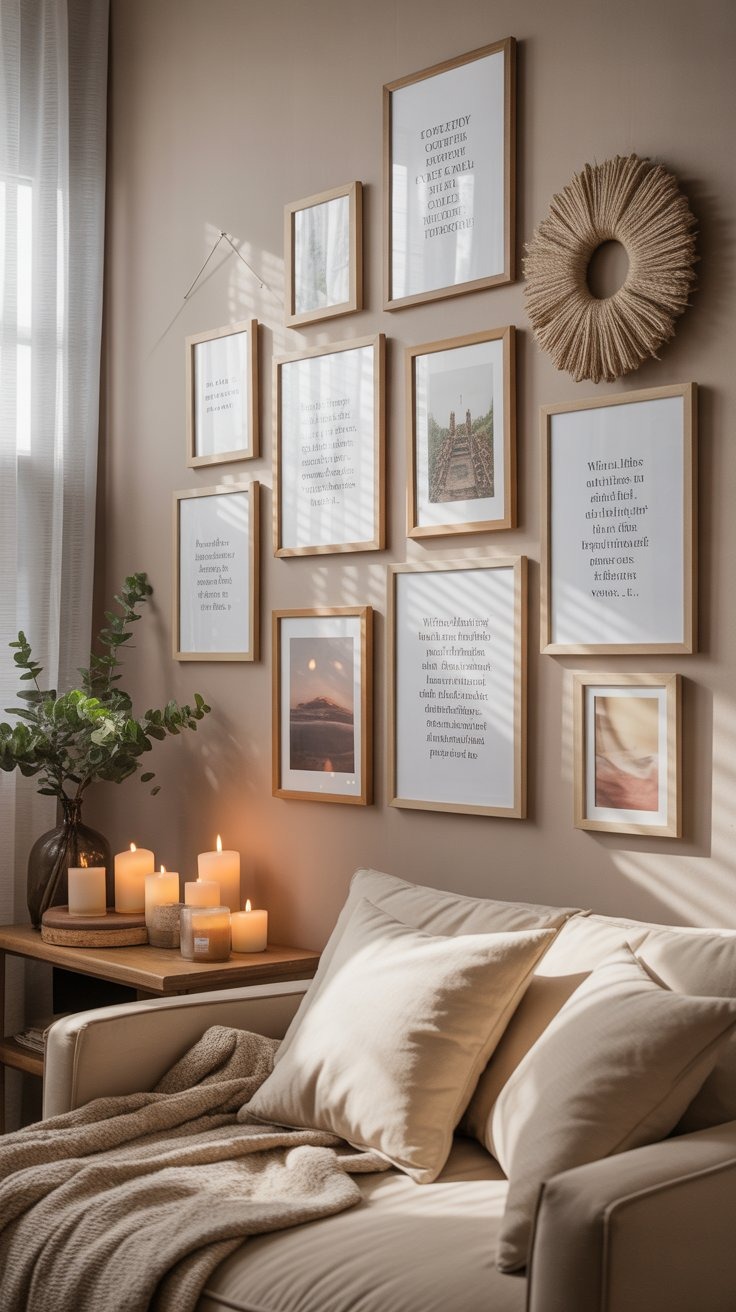
18. Custom Text & Typography Art
Names, vows, quotes, monograms, meaningful dates, coordinates—typography becomes a centerpiece. Text art connects visually while carrying deep personal significance.
19. Inclusion of Personal Artifacts
Travel souvenirs, family photographs, handwritten letters, children’s drawings—these items are increasingly incorporated into gallery walls and shelves to inject warmth and authenticity.
20. Sustainable Wall Decor with Story
Consumers gravitate toward recycled materials, natural dyes, low-impact inks, reclaimed wood frames, and brands that share transparent maker stories. Sustainability becomes a style statement.
IV. Color & Shape
Color becomes emotion. Form becomes comfort.
This section explores how 2026 redefines the emotional and visual impact of wall art and paint.
21. The Rise of Immersive Color
Color drenching—painting walls, ceilings, and trim in one rich hue—creates a cocooning effect. Deep blues, terracotta reds, pine greens, and muted mauves are favored for their dramatic, comforting presence.
22. Tone-on-Tone Wall Styling
Instead of high contrast, subtle layering emerges: beige art on beige walls, sage prints on sage paint, charcoal frames on charcoal backgrounds. The result is understated luxury and calming simplicity.
23. Organic Shapes & Flowing Lines
Arched frames, rounded corners, wave patterns, and fluid silhouettes soften the geometry of modern homes. Organic shapes offer a sense of calm and approachability.
24. Bold Abstract Energy
Deep, moody abstract art—featuring emerald, cobalt, aubergine, terracotta, and gold—brings confidence and personality to minimalist spaces. These pieces make a room feel curated and artistic.
25. Neutral Abstract Canvas
Soft beiges, creams, warm grays, and pastel washes continue dominating minimalist and Japandi design. These neutral abstracts allow rooms to breathe and pair effortlessly with natural materials.


V. Placement & Scale
Where you place art matters as much as the art itself.
2026 introduces bold new placement strategies that redefine what a “wall” even is.
26. Expanding Beyond the Wall
Art climbs onto ceilings, wraps around corners, fills niches, and sits atop built-in cabinetry. Designers treat architecture as canvas, creating seamless visual flow.
27. Immersive Full-Wall Prints
Fabric murals, panoramic photography, or oversized removable wallpaper transform entire walls into immersive experiences—perfect for bedrooms, nurseries, and feature walls.
28. Eclectic Frame Mixing
Mixing wood, metal, glass, woven frames, and irregular shapes creates dynamic compositions. Asymmetry feels intentional and artistic rather than chaotic.
29. Directional Lighting for Depth
Adjustable art lights emphasize texture—plaster grooves, 3D panels, metallic embossing. Lighting becomes an essential design tool for sculpting mood and shadow.
30. Wall Decor Wrapping
Art and wallpaper wrap around curves, through door frames, or into alcoves—blurring architectural lines and adding immersive continuity to the room.
Final Thoughts: The Walls of 2026 Are Emotional Storytellers
Across all 30 trends, a clear movement emerges: homes in 2026 focus on emotion, texture, identity, and depth. Wall decor isn’t just a design afterthought—it’s a powerful way to shape how we feel, how we express ourselves, and how we create spaces that nurture us.